Plausible mechanism
Sleep-onset lens
A hypnic jerk or vestibular sensation near sleep onset can be incorporated as a fall.
Context record · Falling
Falling can be a narrative of lost support, but sleep-onset body sensations and ordinary balance experiences also matter.
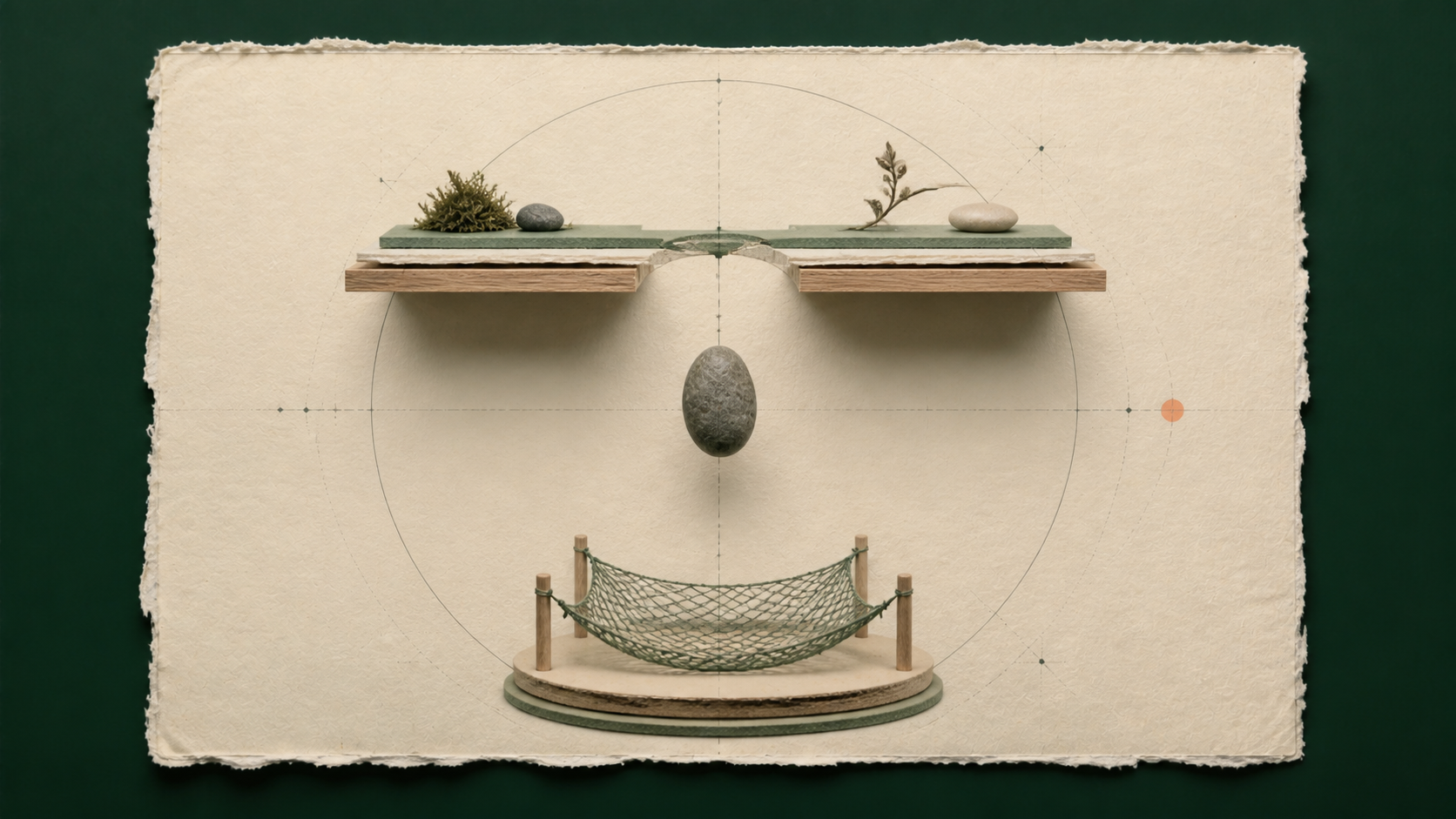
Created for this motif’s context records. The image illustrates the subject; it is not evidence for an interpretation.
Compare it with a minor mistake that feels larger because other people might see it.
It does not diagnose a condition, reveal another person’s intentions, or predict a future event. A memorable match after waking can be meaningful to you without establishing a predictive mechanism.
Details that change the reading
Recovery versus continued falling
Who noticed
Physical movement at waking
Compare explanations
Plausible mechanism
A hypnic jerk or vestibular sensation near sleep onset can be incorporated as a fall.
Research-informed
Instability, error, rapid change, heights, and recent media can provide waking material.
Reflective method
Being pushed, slipping, choosing to jump, and losing the ground create different questions.
Follow-up questions
Sources & claim limits
These sources support the research labels used on this page. They do not demonstrate that this scene has a universal interpretation or predicts an event.
Across four representative German surveys, 18% reported falling dreams and the theme remained comparatively stable across the sampled decades.
↗Polysomnography documented several patterns of brief muscle bursts at sleep onset. This supports checking body sensation, but does not prove that a jerk caused a particular dream.
↗Want to include your emotion and action?